
What Is a Digital Product Passport, How Does It Contribute to Waste Management and the Environment?
10 March 2026The accelerating climate crisis, increasing resource scarcity, and tightening environmental regulations are fundamentally transforming production and consumption models worldwide. Today, not only a product’s price and performance matter, but also which raw materials are used, its carbon footprint, its recyclability, and its environmental impact throughout its entire life cycle.
One of the key concepts at the center of this transformation is the Digital Product Passport (DPP). Expected to become widespread especially in the European Union, this system makes a product’s environmental and technical identity transparent in digital form.
So, what is a Digital Product Passport, how does it work, and how does it contribute to waste management?
What Is a Digital Product Passport (DPP)?
A Digital Product Passport is a system that digitally records all life-cycle data of a product, from the design stage to the end of its useful life.
This passport typically includes:
- Raw materials and components used
- Chemical content information
- Carbon emissions generated during production
- Energy and water consumption data
- Repair and maintenance instructions
- Recyclability rate
- Waste disposal methods
This information becomes accessible via QR codes, RFID systems, or blockchain-based platforms.
In short, the DPP is a product’s digital identity.
Why Is the Digital Product Passport on the Agenda?
The traditional production model follows a linear structure:
Produce – Use – Dispose
This model is unsustainable in the face of population growth and limited natural resources. Every year, millions of tons of electronic waste, textile waste, and plastic waste are generated.
At this point, the circular economy model comes into play. The circular economy aims to keep products and materials in the system for as long as possible.
However, if the composition of a product is unknown, recycling processes become inefficient. This is where the Digital Product Passport fills the information gap.
Contributions to Waste Management
- Facilitates Recycling Processes
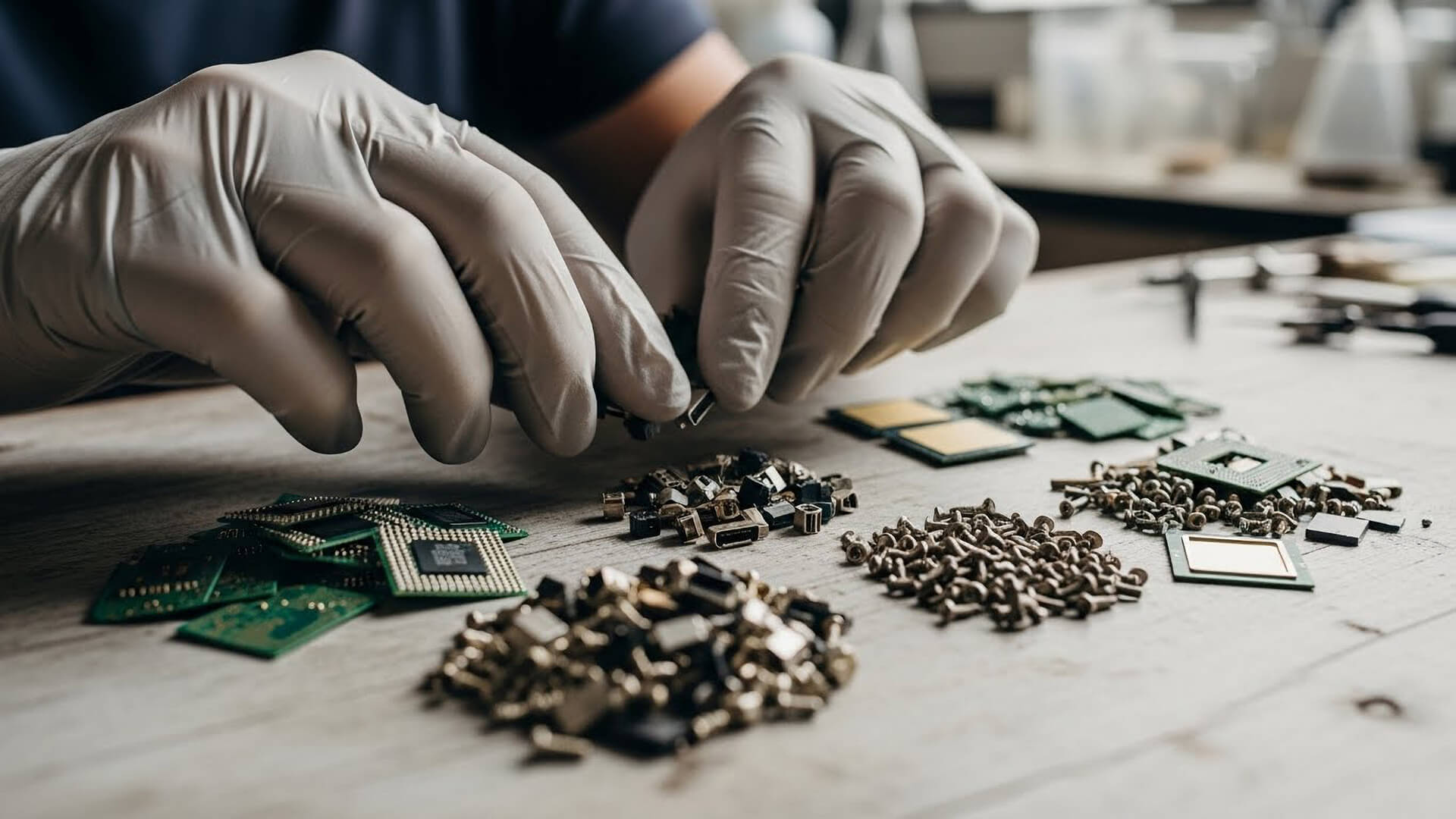
When waste facilities do not know a product’s composition:
- Separation costs increase
- Hazardous substances may mix
- Valuable raw materials may be lost
Thanks to the DPP, information such as:
- Which metals are included
- The type of plastic
- The presence of hazardous chemicals
is known in advance, and recycling processes can be optimized.
This increases efficiency in waste management.
- Protects High-Value Raw Materials
Especially:
- Electronic devices
- Batteries
- Automotive components
contain lithium, cobalt, nickel, and rare earth elements.
The Digital Product Passport facilitates the recovery of these critical minerals, strengthening the secondary raw materials market.
- Encourages Repair and Reuse
The DPP is important not only for recycling but also for extending product life.
Information included in the passport, such as:
- Spare part details
- Repair instructions
- Component replacement history
enables longer product use.
This reduces waste generation.
- Contributes to Reducing the Carbon Footprint
A product’s carbon emissions are not limited to the production stage. Logistics, use, and disposal processes also generate emissions.
Through the DPP:
- Life Cycle Assessments (LCA) can be conducted
- Emission reduction strategies can be developed
- Companies can verify carbon reporting
This facilitates compliance with climate policies.
Environmental Transparency and Consumer Awareness
The Digital Product Passport is important not only for manufacturers and recycling facilities but also for consumers.
In the future, when purchasing a product, we will be able to see via a single QR code:
- Its carbon footprint
- Recyclability rate
- Production location
- Raw material source
This will strengthen conscious consumption habits and increase the competitive advantage of sustainable brands.
In Which Sectors Will It Be Implemented?
The Digital Product Passport is expected to become widespread particularly in:
- Electronics and white goods
- Batteries and energy storage systems
- Textiles and fashion
- Packaging
- Automotive
- Construction and building materials
These sectors are prioritized due to high waste generation and intensive raw material use.
How Does the Technological Infrastructure Work?
DPP systems are generally based on the following technologies:
Blockchain
Ensures data is stored in an immutable way.
IoT (Internet of Things)
Can collect product usage data.
QR / RFID Labeling
Matches the physical product with digital data.
This infrastructure integrates with Industry 4.0 and smart manufacturing systems.
Regulations and Global Impact
Within the framework of the European Union’s Sustainable Products Regulation, Digital Product Passport requirements are gradually entering into force.
This directly affects:
- Exporting companies
- Supply chain stakeholders
- Manufacturers
In the near future, entering the European market without a DPP may become difficult.
Advantages for Businesses
The Digital Product Passport is not only an obligation but also a strategic opportunity.
✔ Strengthens ESG and sustainability reporting
✔ Enhances supply chain transparency
✔ Facilitates compliance with carbon border regulations
✔ Increases brand credibility
✔ Reduces waste management costs
In the long term, this system provides both environmental and economic benefits.
Challenges and Transformation Process
There are certain obstacles to DPP implementation:
- Lack of data standardization
- Digital infrastructure costs for small businesses
- Resistance to data sharing within supply chains
- International harmonization issues
However, the global trend is clearly toward transparent and traceable production.
The Future Production Model: Transparent and Circular
The Digital Product Passport is one of the fundamental tools for transitioning from a linear economy to a circular economy.
Through this system:
- Waste decreases
- Resource efficiency increases
- Emissions are reduced
- Companies gain competitive advantage
In summary, the Digital Product Passport makes waste visible, preserves value, and enables sustainable production.
The world is no longer asking only “how much we produce” but “how we produce.”
The Digital Product Passport gives products a digital identity, improving waste management while strengthening environmental sustainability.
In the near future, every product will have a digital identity. And that identity will become one of the most transparent indicators of our impact on the planet.
In the era of sustainable production, data is no longer just information; it is the foundation of environmental responsibility.