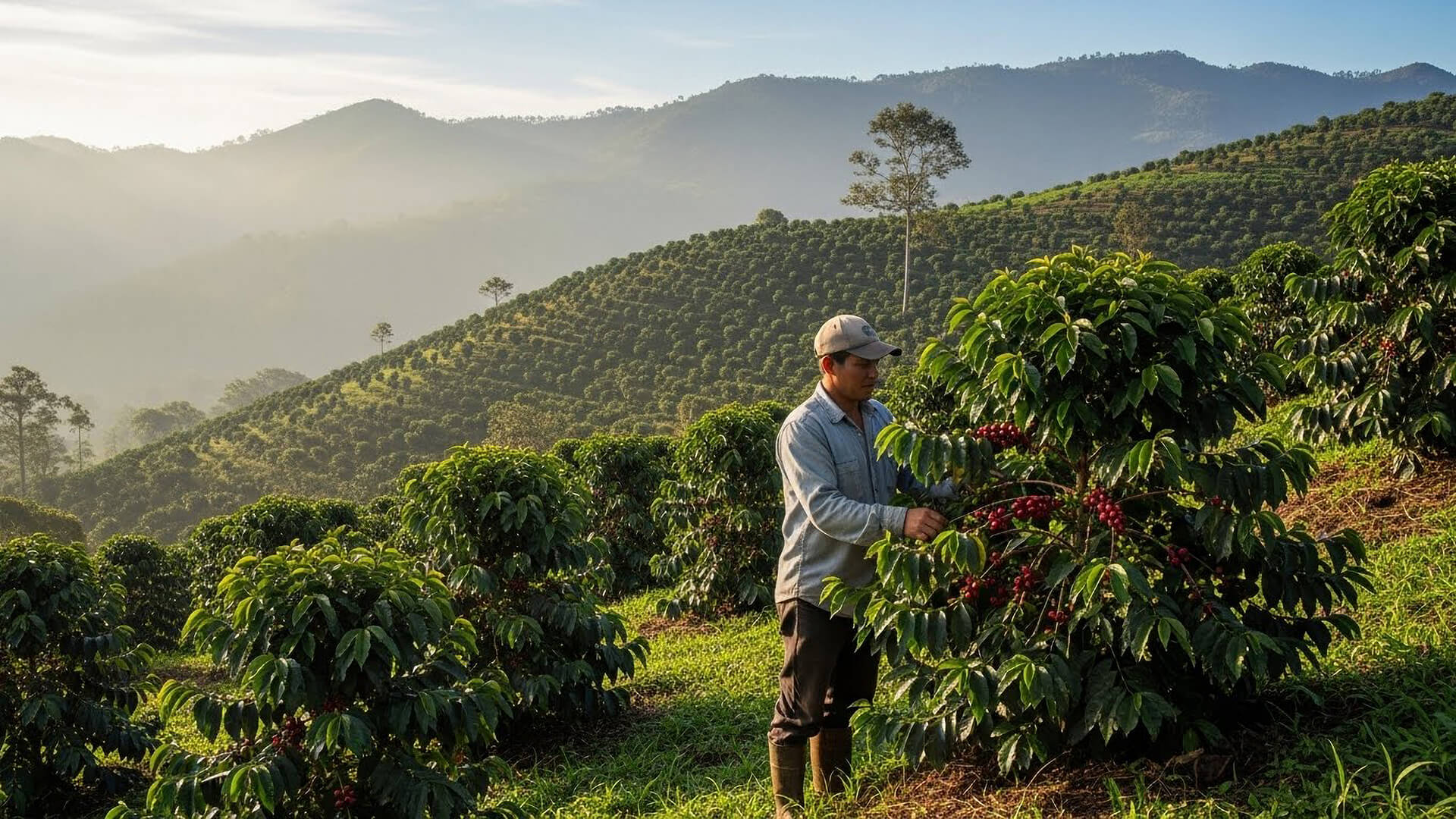

The Impact of Coffee Consumption on the Climate: Is a Greener Espresso Possible?
08 January 2026Coffee is one of the most widely consumed beverages in the world. It is an indispensable part of morning routines, a companion to office breaks, and a strong element of social life. However, it is inevitable that such a widely consumed product has significant impacts on climate change, carbon footprint, and natural resource use. Today, it is necessary to ask the following question:
How does coffee consumption affect the climate, and is a greener espresso truly possible?
As the climate crisis deepens, the environmental impacts of food and agricultural systems are coming under closer scrutiny. Coffee has a long value chain stretching from agriculture and logistics to roasting and finally the cup. Each link in this chain has significant implications in terms of energy consumption, water use, and emissions.
In this article, we examine the impact of coffee production on the climate, the carbon footprint of consumption habits, and how more sustainable coffee consumption can be achieved from a circular economy perspective.
Global Coffee Consumption and Its Link to the Climate
Approximately 2 billion cups of coffee are consumed worldwide every day. This figure clearly demonstrates how large the coffee industry is on a global scale. However, this magnitude also means a considerable environmental impact.
The relationship between coffee consumption and climate can be evaluated under three main headings:
- Agriculture and land use
- Energy and water consumption
- Waste generation and emissions
Each of these areas touches on a different dimension of the climate crisis.
Coffee Farming and Climate Change
How Does Climate Change Affect Coffee?
The coffee plant is extremely sensitive to climatic conditions. Especially the Arabica variety can only grow within specific temperature and humidity ranges. Rising global temperatures, irregular rainfall patterns, and increasing extreme weather events directly threaten coffee production.
Scientific studies reveal that due to climate change, areas suitable for coffee cultivation may significantly decrease by 2050. This situation poses economic and social risks for both producers and consumers.
Carbon Footprint in Agricultural Production
During coffee farming processes:
- Fertilizer use
- Irrigation systems
- Agricultural machinery
- Deforestation
can increase greenhouse gas emissions. In particular, deforestation to open new agricultural areas leads to the loss of carbon sinks.
For this reason, sustainable coffee farming is critical not only for productivity but also for climate-friendly production models.
Energy Use and Emissions Across the Coffee Value Chain
The environmental impact of coffee does not begin and end in the field; every stage until it reaches the cup consumes energy.
Roasting and Processing Processes
Roasting coffee beans is an energy-intensive process requiring high temperatures. In traditional methods, the use of fossil fuels can increase carbon emissions. More efficient energy systems and the use of renewable energy become decisive at this stage.
Transportation and Logistics
Coffee is generally transported thousands of kilometers away from the countries where it is produced. Sea and land transportation constitute a significant portion of the total carbon footprint of coffee.
Brewing Habits
At home or in cafés, the use of:
- Electric coffee machines
- Single-use capsules
- Devices kept constantly warm also increases energy consumption.
Coffee Waste: The Hidden Environmental Burden
One of the climate-related impacts of coffee consumption is the amount of waste generated.
Coffee Grounds and Organic Waste
Every cup of coffee leaves behind coffee grounds. Globally, millions of tons of coffee waste are generated each year. These wastes are often sent to landfills, where they cause methane emissions.
However, when considered as organic waste, coffee grounds hold significant potential.
Circular Economy Perspective: From Coffee Waste to Energy
The circular economy approach aims to eliminate the concept of “waste.” Coffee waste can become one of the strongest examples of this approach.
Energy Production from Organic Waste
Organic wastes such as coffee grounds can be used in processes like:
- biogas production
- biomass energy
- waste heat recovery
As a result:
- Waste volumes decrease
- Fossil fuel use is reduced
- Carbon emissions are minimized
Organic waste converted into energy becomes a tangible output of the circular economy.
The Biotrend Perspective
Biotrend develops sustainable solutions aimed at reducing the environmental impact of food- and agriculture-based waste through its integrated facilities that convert organic waste into energy. Organic materials with high potential, such as coffee waste, form an important part of this approach.
What Can Be Done for a Greener Espresso?
Consumer Habits
Individual choices play a significant role in reducing the climate impact of coffee:
- Choosing filter or reusable systems instead of single-use capsules
- Using energy-efficient machines
- Reducing waste
- Supporting local and sustainable brands
Cafés and Businesses
Sustainability steps taken by coffee chains and cafés can make a major difference:
- Energy-efficient equipment
- Waste separation and organic waste management
- Use of renewable energy
- Environmental criteria in supply chains
Industrial and Systemic Solutions
The greatest impact is achieved through transformation at the system level:
- Converting organic waste into energy
- Biogas and biomass facilities
- Waste heat recovery systems
- Smart energy management
These solutions permanently reduce the carbon footprint of the coffee industry.
Coffee, Climate, and the Future
The relationship between coffee consumption and climate change is bidirectional. While climate change threatens coffee production, production and consumption patterns of coffee can also deepen the climate crisis.
However, with the right technologies, a circular economy approach, and conscious choices, it is possible to break this cycle.
A Greener Espresso Is Possible
Yes, a greener espresso is possible. This requires a holistic approach that includes:
- Sustainable agricultural practices in coffee production
- Energy and resource efficiency in consumption
- Evaluating coffee waste within the scope of the circular economy
- Converting organic waste into energy
Small choices made in our coffee cups, when combined with the right systems, can make a big difference for the climate. Because a sustainable future is shaped not only by major decisions, but also by our daily habits.